
Common Problems, Symptoms & Repairs To uPVC Doors That Expand in Heat
As temperatures rise during warmer months, many homeowners begin noticing problems with their uPVC or composite doors. Doors suddenly become difficult to lock, stiff to open or feel like they are catching on the frame.
If you have ever wondered “why do uPVC doors expand in heat?”, the answer is surprisingly simple. Heat from direct sunlight can cause materials inside the door and frame to expand slightly. Even a small amount of expansion can affect alignment, locking performance and how smoothly the door operates.
At 110 Security Solutions, we regularly help homeowners across Peterborough with swollen uPVC doors, sticking locks and alignment problems caused by heat and seasonal weather changes.
In this guide, we explain why it happens, the warning signs to look out for and what you can do before calling a professional.
In this article we will cover:
Is uPVC Supposed to Expand in Heat?
Why Does uPVC Expand in Heat?
Symptoms of a Swollen uPVC Door
How to Fix a Door That Sticks Due to Humidity
Will a Swollen Door Go Back to Normal?
Preventing Future uPVC Door Problems
Professional uPVC Door Repairs in Peterborough
Frequently Asked Questions
Find Us
Is uPVC Supposed to Expand in Heat?
Yes, uPVC is designed to naturally expand and contract as temperatures change. This is completely normal and happens because uPVC reacts to heat from sunlight and warm weather.
Most homeowners only notice the issue during:
- Hot summer afternoons
- Periods of direct sunlight
- Sudden temperature changes
- Humid weather conditions
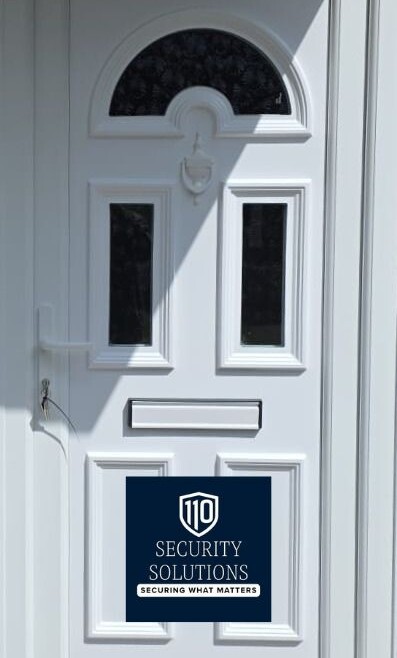
Darker coloured doors are particularly affected because they absorb more heat. Anthracite grey, black and dark composite doors often experience more movement during sunny weather.
In many cases, the expansion is temporary. However, repeated movement over time can cause alignment issues, locking problems and wear to hinges or locking mechanisms.
Why Does uPVC Expand in Heat?
The reason uPVC doors expand in heat is due to thermal expansion. When materials become warm, the particles inside them move slightly further apart, causing the material to increase in size.
Although the expansion may only be a few millimetres, modern multi-point locking systems require precise alignment. Even minor movement can create noticeable problems.
Common Causes of uPVC Door Expansion
- Strong direct sunlight on the front of the property
- Dark coloured doors absorbing heat
- Poor door alignment
- Worn hinges
- Older uPVC door frames
- Seasonal humidity changes
- Incorrect original installation
Some doors may only become difficult during certain times of the day. For example, a front door facing south may become stiff during the afternoon sun but operate normally later in the evening.
Symptoms of a Swollen uPVC Door
One of the biggest signs of heat expansion is a door becoming difficult to operate smoothly.
Common Symptoms Include:
- Door difficult to close
- Door difficult to lock
- Handle feels stiff or tight
- Locking mechanism catching
- Door scraping against the frame
- Need to lift the handle harder than usual
- Door only sticks during hot weather
- Visible gaps changing around the frame
Many homeowners initially think the lock has failed, when in reality the door alignment has shifted slightly due to expansion.
Ignoring these signs can eventually lead to:
- Damaged locks
- Broken handles
- Failed hinges
- Complete lockouts
How to Fix a Door That Sticks Due to Humidity
If your door becomes swollen or difficult during warm weather, there are a few simple things you can try first.
Avoid Forcing the Lock
One of the worst things you can do is force the handle or key aggressively. This can damage the gearbox or snapping points inside the multi-point lock.
Allow the Door to Cool Down
Sometimes the issue improves naturally once temperatures drop later in the day.
Check for Obvious Obstructions
Dirt, debris and dried seals can increase friction around the frame.
Lubricate Moving Parts
Using an appropriate lock lubricant on hinges and locking points may help the mechanism operate more smoothly.
Do Not Attempt DIY Adjustments Without Experience
Modern uPVC and composite doors require precise alignment. Incorrect hinge adjustments can make the problem worse or affect security.
Will a Swollen Door Go Back to Normal?
In some cases, yes. Minor thermal expansion often reduces once temperatures cool down.
However, repeated swelling can gradually lead to permanent alignment issues over time. If your door regularly sticks during warm weather, professional adjustment is usually recommended.
Signs the issue may require repair include:
- The door sticks all year round
- The lock feels increasingly stiff
- You must push or pull the door to lock it
- The handle becomes difficult to lift
- The door catches at the top or bottom consistently
Professional hinge adjustments and realignment can often restore smooth operation without requiring a replacement door.
Preventing Future uPVC Door Problems
Although some expansion is unavoidable, regular maintenance can help reduce problems.
Helpful Maintenance Tips
- Keep hinges clean and lubricated
- Have alignment checked periodically
- Avoid slamming the door
- Inspect weather seals regularly
- Address stiff locks early before damage occurs
Routine servicing can significantly extend the lifespan of your uPVC door and locking system.
Professional uPVC Door Repairs in Peterborough
At 110 Security Solutions, we specialise in diagnosing and repairing uPVC and composite door problems throughout Peterborough.
We regularly help customers with:
- uPVC door alignment
- Door expansion problems
- Stiff locking mechanisms
- Broken door handles
- Failed multi-point locks
- Emergency lockouts
- Composite door adjustments
We understand how frustrating it can be when a door suddenly becomes difficult to lock during hot weather. In many cases, a professional adjustment can resolve the issue quickly without needing a full replacement.
You may also find these services helpful:
Frequently Asked Questions
Why is my uPVC door difficult to lock in hot weather?
Heat can cause the door and frame to expand slightly, affecting alignment and making the locking system stiff.
Will my swollen door shrink again?
Sometimes yes, especially once temperatures cool. However, repeated expansion can eventually create permanent alignment issues.
Can humidity cause doors to stick?
Yes. Humidity and moisture can contribute to swelling and expansion, particularly in timber and composite doors.
Can you repair uPVC doors in Peterborough?
Yes. We provide professional uPVC and composite door repairs throughout Peterborough and surrounding areas.
Should I force a stiff uPVC lock?
No. Forcing the handle or key can damage the internal locking mechanism and lead to more expensive repairs.
Find Us
You can find 110 Security Solutions here:
If your uPVC or composite door is becoming difficult to lock during hot weather, contact 110 Security Solutions for expert repairs and professional advice.
Areas 110 Security Solutions cover:
Peterborough Stamford Whittlesey Hampton Market Deeping
Stanground Werrington Orton